Kitchen appliance trends: what is changing and what is worth paying for
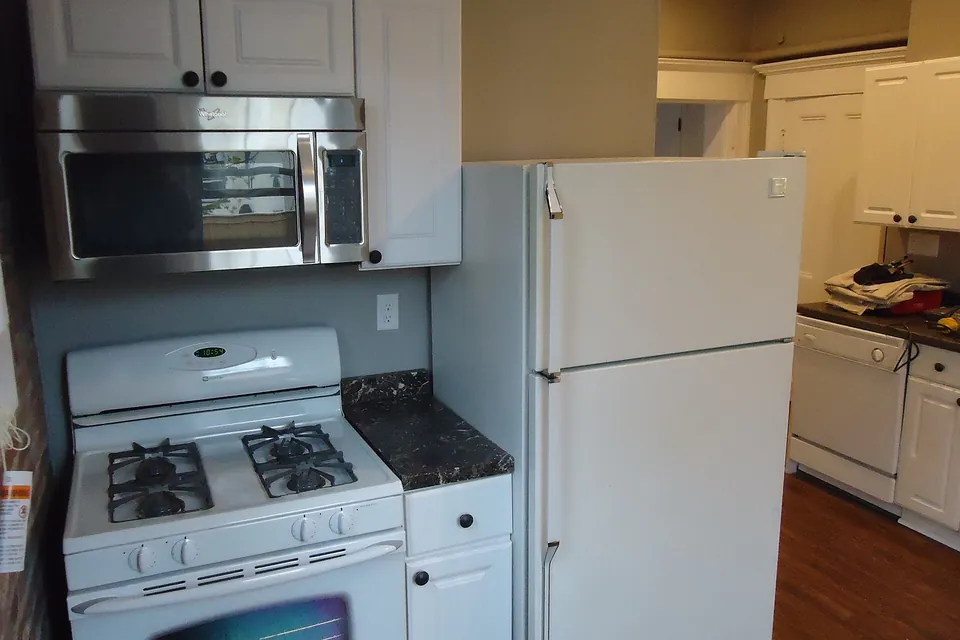
Appliances are the working machinery of a kitchen, and they are changing faster than cabinets or countertops. Some changes are driven by regulation and energy policy, some by how people now cook and live, and some by marketing. Because a refrigerator or range typically stays in service for many years, it is worth separating the shifts that will matter for that whole time from the features that sell well in a showroom. This guide looks at the main directions and the questions to ask.
1. Electrification
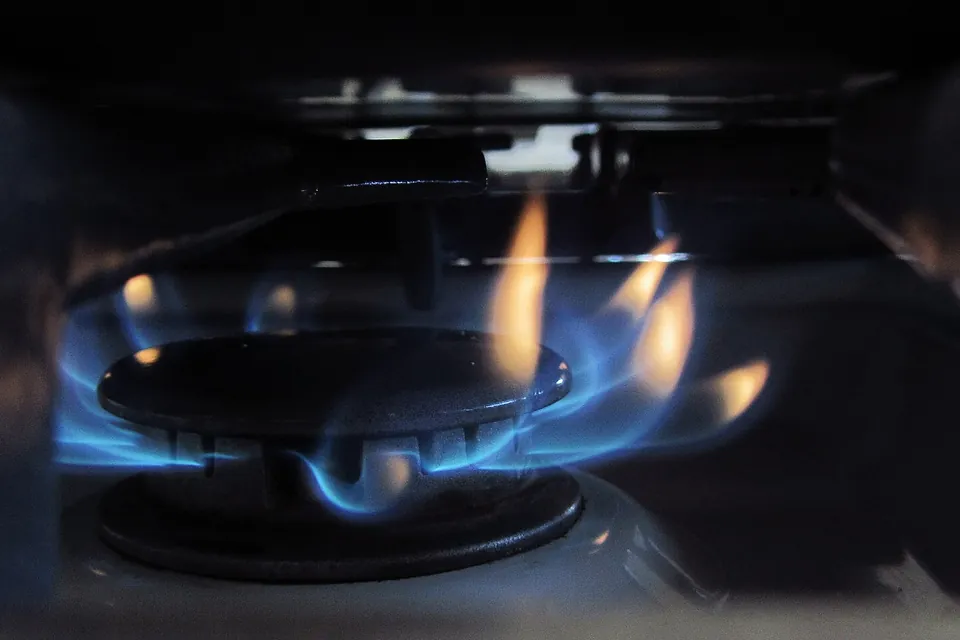
The clearest long-term shift is towards all-electric kitchens. Several forces push in that direction: building codes and local rules in some jurisdictions that limit gas connections in new buildings, research on indoor air quality, and incentives for efficient electric equipment. The US Environmental Protection Agency lists gas stoves among indoor sources of nitrogen dioxide and recommends running a vented range hood when cooking with gas. In the United States, the Inflation Reduction Act created a High-Efficiency Electric Home Rebate Program which, where states have launched it, can include rebates for qualifying households that switch to electric cooking; availability and amounts depend on the state and on household income.
Switching from gas to electric cooking usually means checking that the electrical panel has capacity for a 240-volt circuit, which an electrician can assess. Our article on cooktop options covers induction, radiant and gas in detail.
2. Efficiency standards and labels
In the US, the Department of Energy sets minimum efficiency standards for refrigerators, dishwashers and other appliances, and finalised standards for consumer cooking products in 2024. ENERGY STAR certifies models that go beyond the minimum: certified refrigerators and dishwashers use measurably less energy, and dishwashers less water, than standard models. The yellow EnergyGuide label required by the Federal Trade Commission shows a model's estimated yearly energy cost, which makes models of the same size and type easy to rank.
Efficiency matters most for the appliance that never switches off: the refrigerator. Size it to your needs, keep it away from the oven and direct sun, and leave the ventilation gaps the manufacturer specifies.
3. Integrated and column refrigeration
Refrigeration is moving out of sight. Panel-ready refrigerators take cabinet fronts and sit flush with the cabinetry; column units separate the fridge and freezer into two tall cabinets that can be placed apart; refrigerator drawers put chilled storage in an island or near a prep sink. These options look calmer in open-plan kitchens. The trade-offs are cost, smaller capacity for the width and, for fully integrated models, the need for precise cabinet construction and ventilation. Counter-depth freestanding models are a middle way: they sit almost flush with the counters without full integration.
4. Quieter, more efficient dishwashers
As kitchens open onto living areas, noise has become a buying criterion. Manufacturers publish noise ratings in decibels; lower numbers are quieter, and a few decibels make an audible difference. Other useful features are a third rack for cutlery and utensils, soil sensors that adjust water and time to the load, and fully integrated panels. ENERGY STAR certification indicates efficient energy and water use. Running full loads on the eco cycle is the simplest way to save energy and water.
5. Ovens that do more
Ovens are gaining modes: true convection with a third heating element, air-fry settings, steam and combination steam ovens, and speed ovens that combine microwave and convection. Steam helps bread crusts and reheats food without drying it; combination ovens can replace a microwave for many tasks. Wall ovens at eye level, rather than under the cooktop, save bending and are easier for many people to use safely. Before paying for extra modes, consider how often you would use them; a well-made basic convection oven covers most home cooking.
6. Ventilation is catching up
Ventilation is the least glamorous appliance and one of the most important. Research summarised by public health agencies shows that cooking — on any fuel — produces fine particles, and gas combustion adds nitrogen dioxide and carbon monoxide. A ducted hood vented outdoors, sized at least as wide as the cooktop and used every time you cook, is the most effective remedy. Recirculating hoods filter grease and some odours but do not remove moisture or combustion gases. Quieter hoods are more likely to be switched on.
7. Connected features
Many appliances now connect to Wi-Fi for remote monitoring, preheating, notifications and software updates. Some features are genuinely useful, such as a leak or door-open alert, or a dishwasher that reports when the cycle ends. Others add little. Ask how long the manufacturer commits to software updates and whether the appliance works fully without the app or an internet connection.
8. Repairability and lifespan
An appliance that can be repaired is cheaper and less wasteful over its life. Before buying, ask about the availability of spare parts, the warranty terms and whether local technicians service the brand. In the European Union, ecodesign rules already require manufacturers to keep spare parts available for several years for dishwashers and refrigerators, and repairability is increasingly part of product rules elsewhere.
How to judge a trend
- Will this feature still matter in ten years, or is it a fashion?
- Does it fit the way you actually cook, and how often would you use it?
- What does it cost to run, as well as to buy?
- Can it be repaired, and does it depend on an app or a subscription?
- Does the cabinetry need to be built around it, making a later replacement harder?
For the wider picture of what is changing in kitchen design, see our article on kitchen design trends, and for planning the room around the appliances, our remodeling plan.
Sources
- US Environmental Protection Agency, "Nitrogen Dioxide's Impact on Indoor Air Quality".
- US Department of Energy, Appliance and Equipment Standards Program; final rule for consumer conventional cooking products (2024).
- ENERGY STAR, certified refrigerators and dishwashers.
- US Federal Trade Commission, EnergyGuide label (Energy Labeling Rule, 16 CFR Part 305).
- US Department of Energy, Home Energy Rebates programs (Inflation Reduction Act).
- European Commission, ecodesign requirements for household dishwashers and refrigerating appliances (2019).
Last reviewed: 6 November 2026.