Tuscan kitchen design: terracotta, plaster, wood and iron
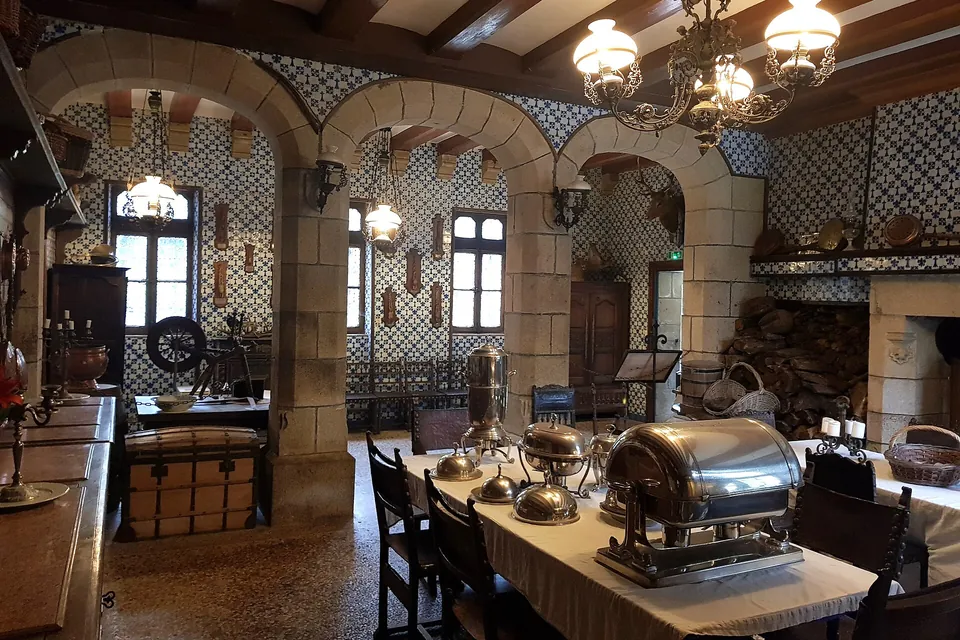
The Tuscan kitchen as imagined in magazines — warm plaster walls, terracotta floors, heavy beams, wrought iron and shelves of earthenware — draws on the farmhouses of central Italy, where the kitchen was the warmest and busiest room in the house. At its best the style is honest and generous, built from fired clay, stone, wood and lime. At its worst it becomes a heavy pastiche of faux finishes and ornate scrollwork. This guide traces the elements back to their origins and suggests how to use them in a kitchen that works today.
The farmhouse at the root of the style
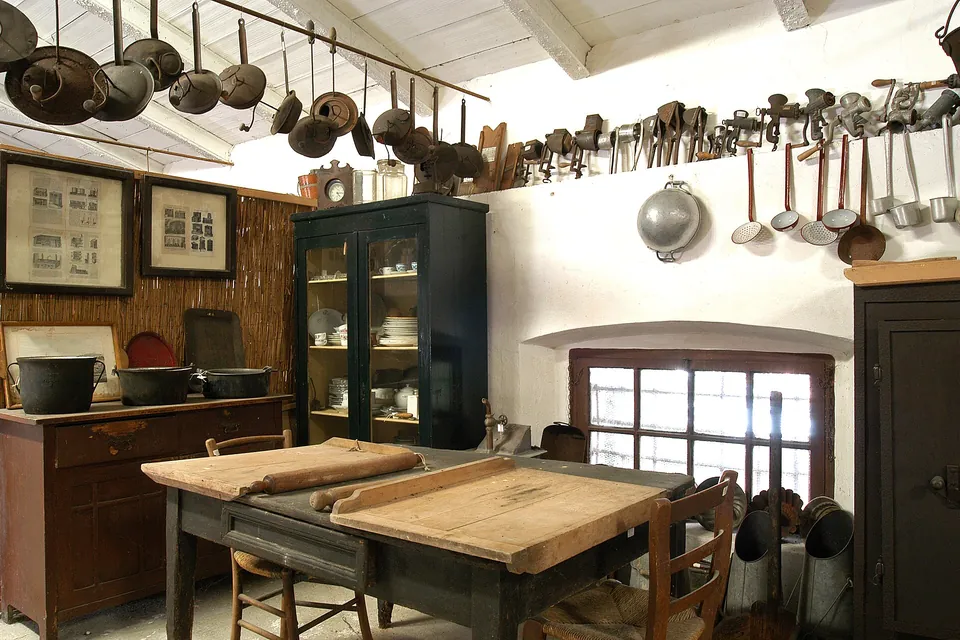
The Tuscan countryside is dotted with case coloniche, the stone farmhouses built for the families who worked the land under the sharecropping system known as mezzadria. In these houses the kitchen was often on the upper floor, above the stables and storerooms, and it was the centre of family life: a large hearth for cooking and heat, a stone sink, a long table, a bread chest called a madia in which dough was kneaded and left to rise, and simple shelves and cupboards. Floors were of terracotta tiles, ceilings of wooden beams with flat clay tiles laid between them.
Everything was local and practical. Terracotta came from the clay of the region; Impruneta, south of Florence, has been known for its frost-resistant terracotta for centuries. Beams were chestnut or oak; walls were stone covered with lime plaster. The colours we now call Tuscan — raw and burnt sienna, umber, ochre — are, quite literally, the earth of the region: sienna pigment takes its name from the city of Siena.
The defining elements
Floors
Terracotta tiles, handmade or machine-made, are the signature floor. Their warm orange-to-rose colour varies with the clay and the firing. Terracotta is porous and needs to be sealed and maintained, traditionally with linseed oil and wax, today often with modern penetrating sealers. Travertine and other limestones are an alternative, as are porcelain tiles that reproduce terracotta's colour with far less upkeep. Our flooring guide weighs these options.
Walls
Plaster is central to the look: lime plaster with a soft, slightly uneven surface, often tinted in warm creams, ochres or pale terracotta. A true lime finish breathes and develops a gentle patina. On modern drywall, mineral paints or carefully applied lime-based products give a similar depth; avoid heavy sponged or ragged "faux Tuscan" effects, which date quickly.
Ceilings and beams
Exposed wooden beams, with planks or flat tiles between them, give a Tuscan kitchen its sheltering feel. In a new house, reclaimed beams or well-made timber can be added where the ceiling height allows. Where it does not, leave the ceiling plain: a low room with heavy beams feels cramped.
The hearth and the range
The historic focus of the kitchen was the hearth. In a modern kitchen, a range set into a plastered or stone surround, with a hood shaped like an old chimney breast, recalls it. Behind the decorative surround, the hood still needs a properly sized fan and duct to the outside. Codes such as the International Residential Code require make-up air for very powerful hoods, so plan ventilation with the design, not after it.
Wood, iron and open storage
Solid wood furniture — a long table, a dresser, a madia used as a sideboard — and simple, sturdy cabinetry in walnut, chestnut or a warm painted finish suit the style. Hand-forged iron appears in hardware, pot racks, light fittings and window grilles. Open shelves holding everyday ceramics, olive oil, wine and preserves suggest the working farmhouse kitchen.
Worktops
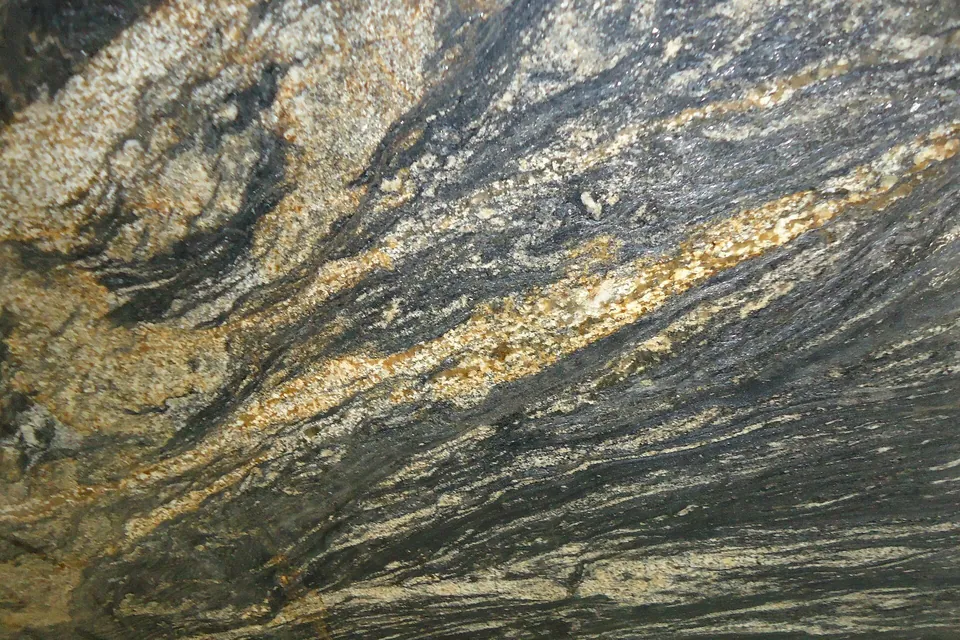
Stone is natural here: honed limestone, travertine or granite in warm tones. Marble, quarried at Carrara in northern Tuscany, is beautiful but sensitive to acids — and a Tuscan kitchen is likely to see lemons, tomatoes and wine. Many people use a durable stone or quartz on the main runs and a thick wooden top on the table or island. See our guide to stone countertops.
Colour palette
A Tuscan palette is built from earth: warm whites and creams, ochre, terracotta, sienna and umber, softened by the grey-green of olive leaves and cypress. Accents come from glazed ceramics — deep greens, cobalt and yellow — and from copper. Keep large surfaces muted and let the materials supply the warmth; a kitchen painted entirely in saturated terracotta can feel oppressive, especially under cool artificial light. Lamps with a warm colour temperature, around 2700 to 3000 K, suit the palette.
Adapting the style to a modern kitchen
- Choose a few real materials — a terracotta floor, a stone sink, one old piece of furniture — rather than many imitations.
- Hide the appliances. Panel-ready dishwashers and refrigerators let modern machines disappear behind wooden fronts.
- Keep forms simple. Farmhouse cabinetry was plain. Heavy carving, corbels and scrollwork belong to a later, more theatrical idea of the style.
- Open shelving in moderation. Place it where dishes are used daily and away from the cooktop, where grease collects.
- Light it well. Old kitchens were dim. Add under-cabinet task lighting and pendants over the table or island so the warm palette does not become gloomy.
Tuscan versus French country
The two styles share a love of terracotta, plaster, wood and open storage, and both grew out of rural kitchens. In general, Tuscan kitchens lean heavier and earthier — darker woods, iron, stone, deeper ochres and siennas — while French country kitchens lean lighter and more decorative, with painted furniture, softer blues and lavenders, and printed textiles. Read our guide to French country kitchens for the lighter of the two moods.
A note on authenticity
The appeal of the Tuscan farmhouse kitchen lies in materials that age well and objects that are used. A room built with that in mind — real clay, stone and wood, simple forms, good light — will feel warm long after a themed kitchen of faux finishes has gone out of fashion.
Sources
- Regione Toscana and Tuscan rural heritage literature on the casa colonica and the mezzadria system.
- Comune di Impruneta: history of Impruneta terracotta.
- International Code Council, International Residential Code, section M1503 (range hoods and make-up air).
Last reviewed: 6 November 2026.