How to choose a kitchen designer or design firm
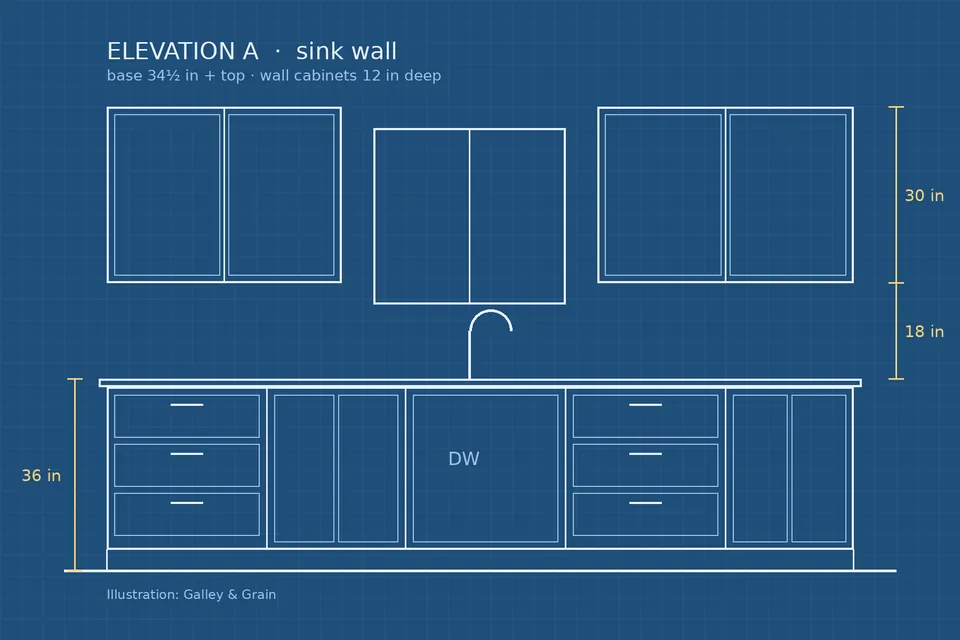
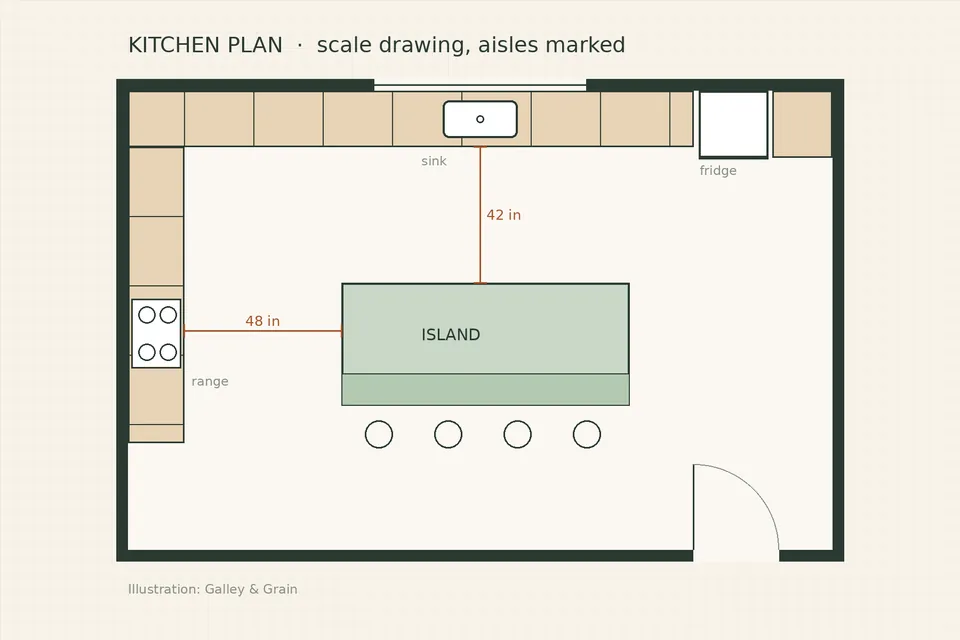
A good kitchen designer does more than pick finishes. They solve a spatial puzzle under tight constraints — plumbing, structure, appliances, budget and the way a household actually cooks — and they produce drawings precise enough for cabinet makers and trades to build from. Choosing the right one is therefore one of the decisions that most affects how a remodel turns out. This guide explains the kinds of professionals you may meet, what their credentials signify, how they charge, and what to ask before you sign anything.
Who designs kitchens?
- Independent kitchen designers work for the client, usually for a fee, and are not tied to one cabinet brand. They produce the design and often help select suppliers and contractors.
- Showroom or retailer designers work for a cabinet dealer, home centre or kitchen showroom. The design may be free or credited against a cabinet order, but it will be drawn around the products that business sells.
- Design-build firms handle design and construction under one contract. That simplifies coordination and puts responsibility in one place; the trade-off is that you have less independent oversight of the builder.
- Interior designers may design kitchens as part of wider projects, with strengths in finishes, lighting and how the kitchen relates to the rest of the house.
- Architects are the right lead when the project involves structural changes, an addition or significant work to the building envelope. In many jurisdictions, structural work must be designed or approved by a licensed architect or engineer.
What credentials mean
Credentials do not guarantee a good result, but they show training and a commitment to professional standards. In North America the most common are:
- NKBA certifications. The National Kitchen & Bath Association offers a ladder of certifications — Associate Kitchen & Bath Designer (AKBD), Certified Kitchen Designer (CKD) and Certified Master Kitchen & Bath Designer (CMKBD) — based on education, documented industry experience and examinations. You can ask a designer for their certification number and level.
- Interior design qualifications. The NCIDQ certification, administered by the Council for Interior Design Qualification, is the main examination for interior designers in the United States and Canada. Some states and provinces regulate the title "interior designer" or "registered interior designer".
- Licensing. Architects are licensed by state boards. Contractors are licensed by states or localities in many places, and licensing requirements vary widely; check with the relevant licensing authority rather than relying on a logo on a website.
Outside North America, equivalent professional bodies and registers exist; the principle is the same — verify claims with the organisation that issued them.
How designers are paid
Fee structures vary, and none is inherently better. What matters is that you understand what you are paying for:
- Flat fee for a defined scope, such as a full set of design drawings.
- Hourly rate, often with an estimate of total hours.
- Percentage of the project cost, more common in design-build and full-service arrangements.
- Design fee credited against product: the showroom charges for the design but deducts it if you order cabinets through them.
- Markup on products: some designers earn part of their income from a margin on cabinets, fixtures or furniture they supply.
Ask directly whether the designer receives commissions or markups on anything they recommend. A professional should be comfortable answering.
Finding candidates
Start with recommendations from friends who have remodelled recently, local building professionals and the directories of professional associations. Look at portfolios for projects similar in size and budget to yours, not just the most photogenic ones. A designer whose portfolio is all large, luxury kitchens may not be the best fit for a compact remodel, and vice versa.
Questions for a first meeting
- Can you show me two or three completed projects similar to mine, and can I speak to those clients?
- What exactly is included in your fee: how many concepts, how many revisions, which drawings?
- Will I receive dimensioned floor plans, elevations and specifications that I own and can take to any builder?
- Are you tied to any cabinet line or supplier? Do you earn commissions or markups?
- Who handles permits, and who coordinates with the contractor during construction?
- How do you handle site measurements and checking existing conditions?
- What happens if the quotes come in over budget — will you revise the design, and at what cost?
- What is your typical timeline from first meeting to final drawings?
Listen as much to the designer's questions as to their answers. A good designer will ask how you cook, who uses the kitchen, what bothers you about the current room and how long you plan to stay in the house.
What the agreement should cover
Whatever the size of the project, get the arrangement in writing. A clear agreement sets out the scope of services, the deliverables (drawings, specifications, schedules), the fee and payment schedule, the number of revisions included and the rate for extra work, who owns the drawings, and how either party can end the agreement. The US Federal Trade Commission's consumer advice on hiring contractors — get written estimates, check licences and references, avoid large up-front payments — applies equally well to design-build firms.
Warning signs
- Pressure to sign or pay a large deposit at the first meeting.
- Reluctance to put the scope and fee in writing.
- No references, or references only from many years ago.
- Designs that ignore your stated budget or the way you said you cook.
- Vague answers about licensing, insurance or who will actually do the work.
Working well together
Give the designer a clear brief: photographs of kitchens you like (and what exactly you like about them), a list of problems with your current kitchen, the appliances you want to keep and an honest budget. Make decisions on time, and keep a single written record of choices and changes. The best designs come from collaboration between someone who knows the trade and someone who knows how the household lives.
Sources
- National Kitchen & Bath Association, certification programme (AKBD, CKD, CMKBD).
- Council for Interior Design Qualification (CIDQ), NCIDQ certification.
- US Federal Trade Commission, Consumer Advice, "Hiring a Contractor".
Last reviewed: 6 November 2026.