Kitchen tile: backsplashes, floors and the details that make tile last
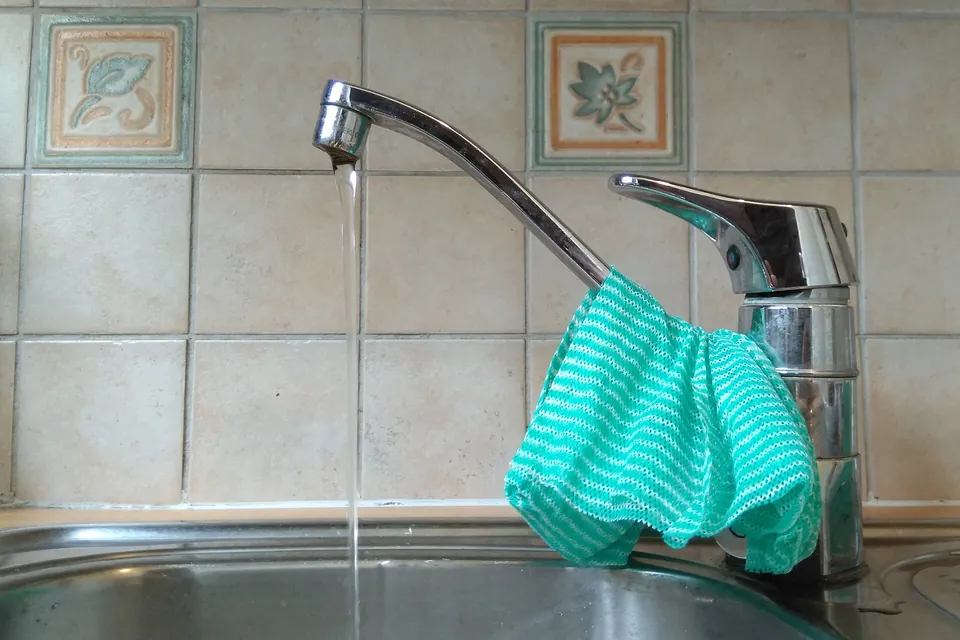
Tile has been used in kitchens for centuries because it does what a kitchen needs: it shrugs off water, heat and grease, cleans easily and lasts for decades. It is also where a kitchen's character often shows — a band of handmade tiles behind the range, a classic brick pattern, a patterned floor. Choosing tile well means thinking about material, size, layout and grout together, and paying attention to the preparation and edge details that decide whether a tile job still looks good in twenty years.
Where tile goes
- Backsplash: the wall between countertop and wall cabinets, protecting it from splashes and grease. The minimum is usually a strip along the back of the counter; many kitchens tile up to the underside of the wall cabinets, or to the ceiling where there are no wall cabinets.
- Behind the cooktop or range: often taller, sometimes a feature panel. Check the appliance installation guide for clearance requirements to combustible materials.
- Floor: see our kitchen flooring guide for how tile stacks up against other floors. Floor tile must be rated for floor use and suitably slip resistant.
Types of tile
Ceramic
Glazed ceramic wall tile is the classic backsplash material: affordable, easy to cut, and made in every colour and shape. Its body is more porous than porcelain, which does not matter on a wall, but many ceramic wall tiles are not strong enough for floors.
Porcelain
Porcelain is denser and absorbs very little water; the ANSI A137.1 standard defines porcelain tile as having water absorption of 0.5 percent or less. It suits floors and walls alike and is available in large formats and convincing imitations of stone, wood and concrete.
Glass
Glass tile reflects light and comes in vivid colours. It is impervious to stains but shows the adhesive behind it if trowel lines are not carefully flattened, and it needs a specific thin-set mortar recommended by the manufacturer.
Natural stone
Marble, travertine, limestone and slate tiles bring natural variation. They usually need sealing, and softer stones are sensitive to acids. Behind a busy cooktop, a sealed, honed stone is easier to keep looking good than a polished one, which shows etching.
Cement and encaustic tile
Cement tiles have a pattern made of coloured cement, not glaze, poured into the tile body. They are porous and need sealing before and after grouting, but they wear gracefully and patterns remain visible even as the surface ages.
Handmade and zellige
Handmade glazed tiles, including Moroccan zellige, vary in thickness, shape and colour. That irregularity is their charm; it also means wider grout joints and an installer comfortable with uneven edges.
Size and pattern
Small tiles and mosaics follow curves and slopes and offer more grip on floors, but they mean more grout. Large-format tiles — defined in the ANSI A108 installation standards as tiles with at least one edge 15 inches (38 cm) or longer — give a calm surface with few joints, but they need a very flat substrate and careful installation to avoid lippage (uneven edges between neighbouring tiles).
Common layouts include:
- Running bond (brick pattern): classic for rectangular tiles. With long tiles, offsetting by a third rather than a half reduces the effect of any slight bow in the tile.
- Stacked: tiles aligned in a grid, horizontally or vertically, for a contemporary look.
- Herringbone and chevron: lively and traditional; more cutting and more waste.
- Diagonal: square tiles set at 45 degrees can make a small floor feel larger, at the cost of more cuts.
Plan the layout before buying. Centre the pattern on a focal point such as the range or the window, and avoid thin slivers of tile at the ends of runs and around outlets. Add 10 to 15 percent extra for cuts and breakage, and keep a few spare tiles from the same batch for future repairs.
Grout
- Cement grout is traditional and inexpensive. Sanded grout is used for wider joints, unsanded for narrow joints and for tiles that sanded grout might scratch. Most cement grouts benefit from a penetrating sealer.
- Epoxy and urethane grouts are much more stain-resistant and need no sealing, which makes them attractive behind a cooktop or on a kitchen floor. Epoxy is harder to work with and best installed by someone experienced.
Grout colour changes the look dramatically. A grout close to the tile colour makes the surface read as one plane; a contrasting grout emphasises the pattern. Mid-tone greys and beiges hide kitchen grime better than bright white.
Use a flexible sealant, not grout, at changes of plane — where the backsplash meets the countertop, at inside corners and around the sink. These joints move slightly, and rigid grout cracks there.
Substrate and installation
Tile is only as good as what lies beneath it. Walls should be flat and sound; on floors, the subfloor must be stiff enough to avoid flexing. Industry guidance such as the Tile Council of North America's Handbook for Ceramic, Glass, and Stone Tile Installation and the ANSI A108 standards set out suitable methods for different substrates, wet areas and tile types. Ask your installer which method they will use. For floors over wood framing, an uncoupling membrane or cement backer board is common practice.
Finishing details
- Edges: where tile ends on an open wall, finish it with bullnose tiles, a metal or PVC trim profile, or a natural edge on stone. An exposed cut edge looks unfinished.
- Outlets and switches: plan where they fall on the tile layout; box extenders may be needed so covers sit flush with the tile.
- Under-cabinet lighting: glossy tile reflects lamps as bright spots. Matte or textured tile, or lights set towards the front of the cabinet, reduce glare.
- Window returns: decide early whether tile will wrap into a window reveal and how the sill will be finished.
Keeping tile clean
Wipe backsplashes behind the cooktop regularly, before grease builds up. Use pH-neutral cleaners on stone and cement tile, and avoid acidic or abrasive products that damage stone and sealers. Reseal stone and cement grout periodically, following the sealer maker's guidance.
Sources
- Tile Council of North America, TCNA Handbook for Ceramic, Glass, and Stone Tile Installation.
- ANSI A137.1 (ceramic tile specifications) and ANSI A108 series (installation standards, including large-format tile).
- Appliance manufacturers' installation guides (clearances behind cooking appliances).
Last reviewed: 6 November 2026.